-
Here is the Brick
Hussain & Gunaratne
Here Is The Brick is a collaborative film by Mahtab Hussain and writer Guy Gunaratne. Developed in dialogue with Hussain’s wider exploration of surveillance, belonging and Muslim presence in Britain, the film moves through image and language as a layered meditation on inheritance, representation and memory.
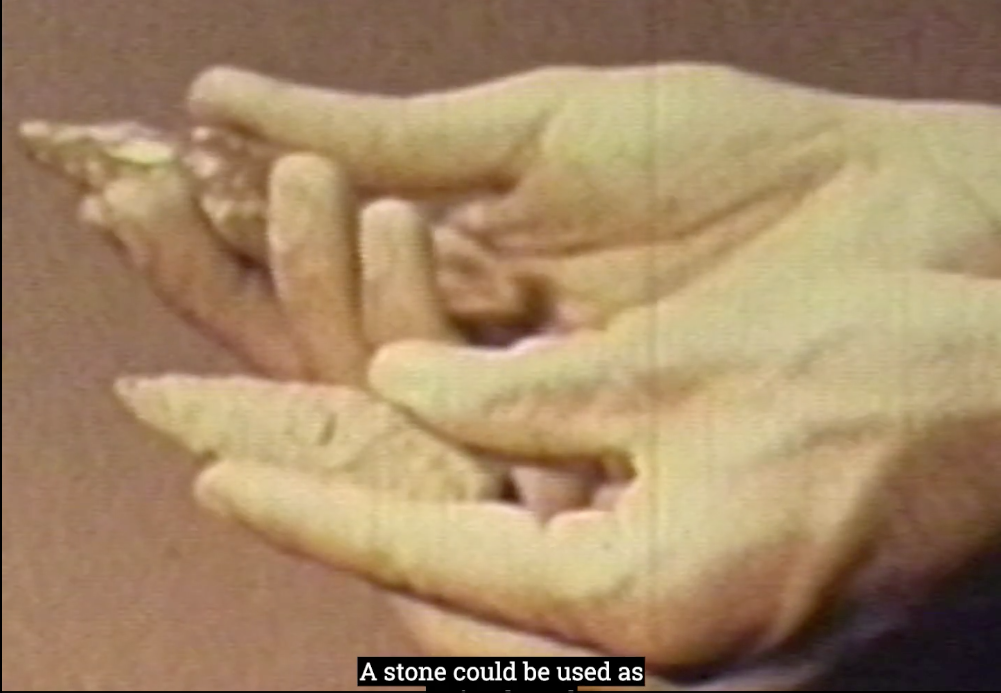
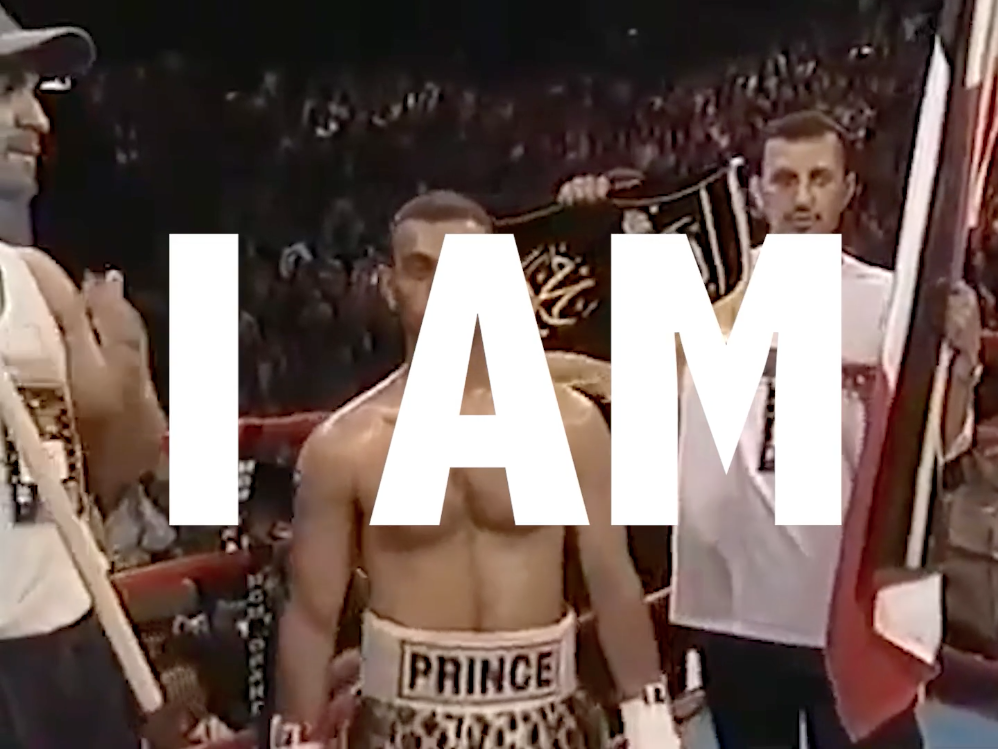
Structured as a dynamic visual montage, the work brings together family footage, community portraits, archival fragments and material details drawn from everyday life. Domestic interiors, gestures, textures and faces sit alongside media imagery and cultural references, creating a rhythm that shifts between the intimate and the collective. The film holds close the tenderness of personal memory while confronting the broader narratives that have shaped public perception.
Gunaratne’s writing threads through the imagery, not as explanation but as counterpoint. Language becomes both anchor and disruption, articulating the tension between private experience and public stereotype. The “brick” operates as metaphor and provocation — an object that can build or break, that can shelter or strike. It gestures toward moments when pressure accumulates and when identity is forced into confrontation.
Rather than presenting a singular argument, Here Is The Brick accumulates fragments. It allows contradiction, vulnerability and resistance to coexist. Family history meets community presence. Archive meets immediacy. The personal becomes political without losing its emotional core.
The film sits at the intersection of literature and moving image, using collaboration as a means of confronting how stories are constructed, circulated and reclaimed.
The film is not available online and is offered exclusively for exhibition and institutional loan.
-

-

-

-
-

-

-

-

-

-
-

-

-

-

-

-

-

-

-

-
